Most Masai Mara coverage jumps straight to the wildebeest crossings of July and August. That skips three months worth watching on their own. April through June 2026 carried the tail end of calving season and a green flush across the plains. The first migration scouts even tested the Sand River before the big herds followed. Touring Insights pulled together what guides and camps reported across the reserve and its conservancies during this window. Here is a month-by-month read on what showed up, where, and what it means for planning your own trip.
Why April-June Matters Even Without the Big Migration
The long rains usually run late March through May in the Mara ecosystem. They turn dust to deep green and swell the Mara and Talek Rivers. Visitor numbers drop through this stretch, which means fewer vehicles at every sighting. Resident wildlife, lions, elephants, giraffes, and topi, stays put year-round regardless of the wildebeest calendar. The bigger draw for wildlife watchers is timing. Predators still hunt daily. Newborn antelope calves from the March-April calving peak are still vulnerable, and birdlife peaks as migratory species pass through. None of that depends on a river crossing happening on cue.
April 2026: Late Calving Season and Rain-Soaked Plains
April sat deep in the long rains, with afternoon downpours common across the reserve and conservancies. Guides reported strong topi and impala calving activity carrying over from March. That drew steady cheetah and hyena interest along the open plains near Rhino Ridge and the Mara Triangle. Elephant herds gathered in larger family groups near permanent water, especially along the Mara River between Musiara Marsh and Governors’ Camp. Roads turned to black-cotton mud in low-lying sections. Several conservancy tracks near Naboisho and Ol Kinyei stayed closed after heavy storms. Game drives shifted toward higher ground, which concentrated sightings rather than reducing them.
May 2026: Grass Grows Tall and Big Cats Take Over
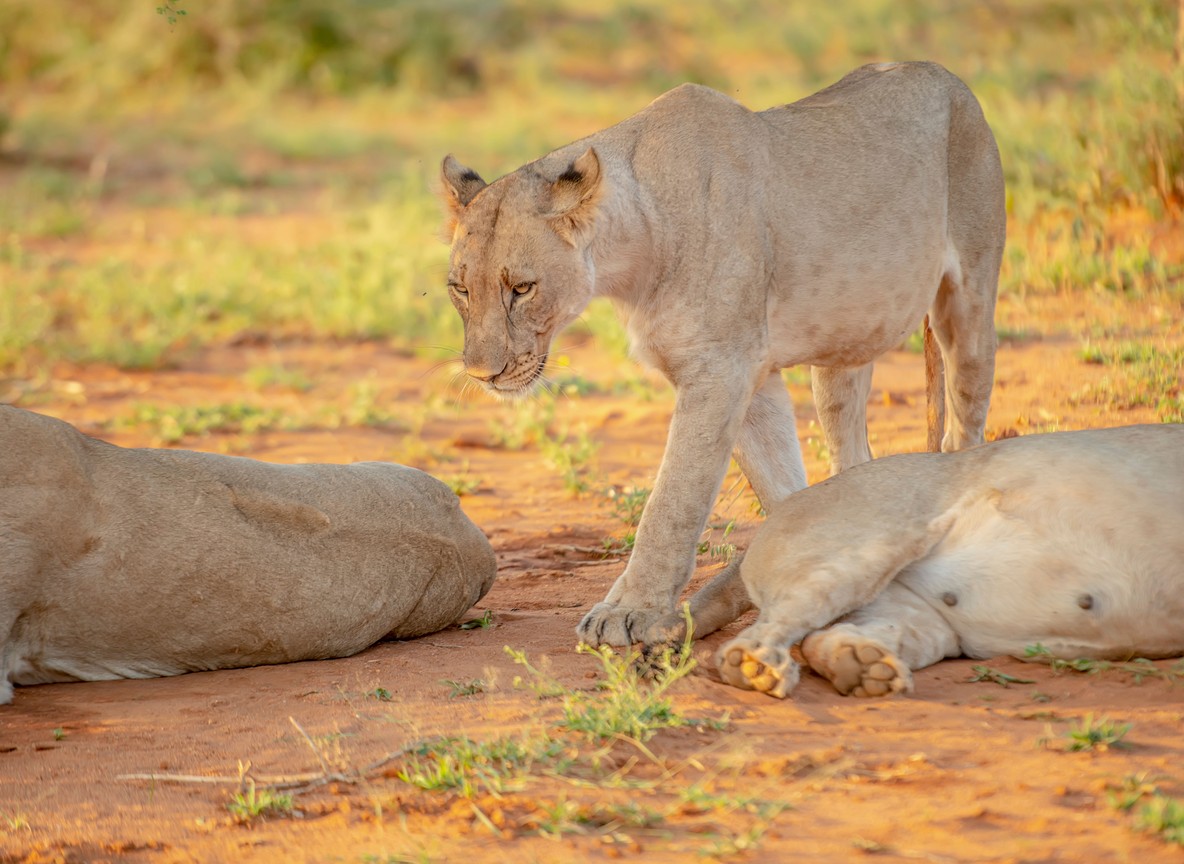
Rain tapered through May, though showers still passed most afternoons. Grass reached its tallest point of the year, which changed hunting behavior more than sighting frequency. Lion prides along the Talek River and in Mara North Conservancy used the cover to stalk closer before a chase. That gave guides fewer clean run-and-kill sightings but more patient ambush scenes. Cheetah sightings held steady in the open Mara Triangle. Short grass on the escarpment side kept visibility better there than the main reserve’s tall-grass stretches. Leopard sightings improved along the Ntiakitiak and Olare Orok riverine forest, where denser cover kept prey closer and pulled leopards toward the same tracks vehicles use. Bird guides logged strong numbers of Eurasian rollers and migratory raptors moving through before the northern-hemisphere summer.
June 2026: The First Migration Scouts Cross the Sand River
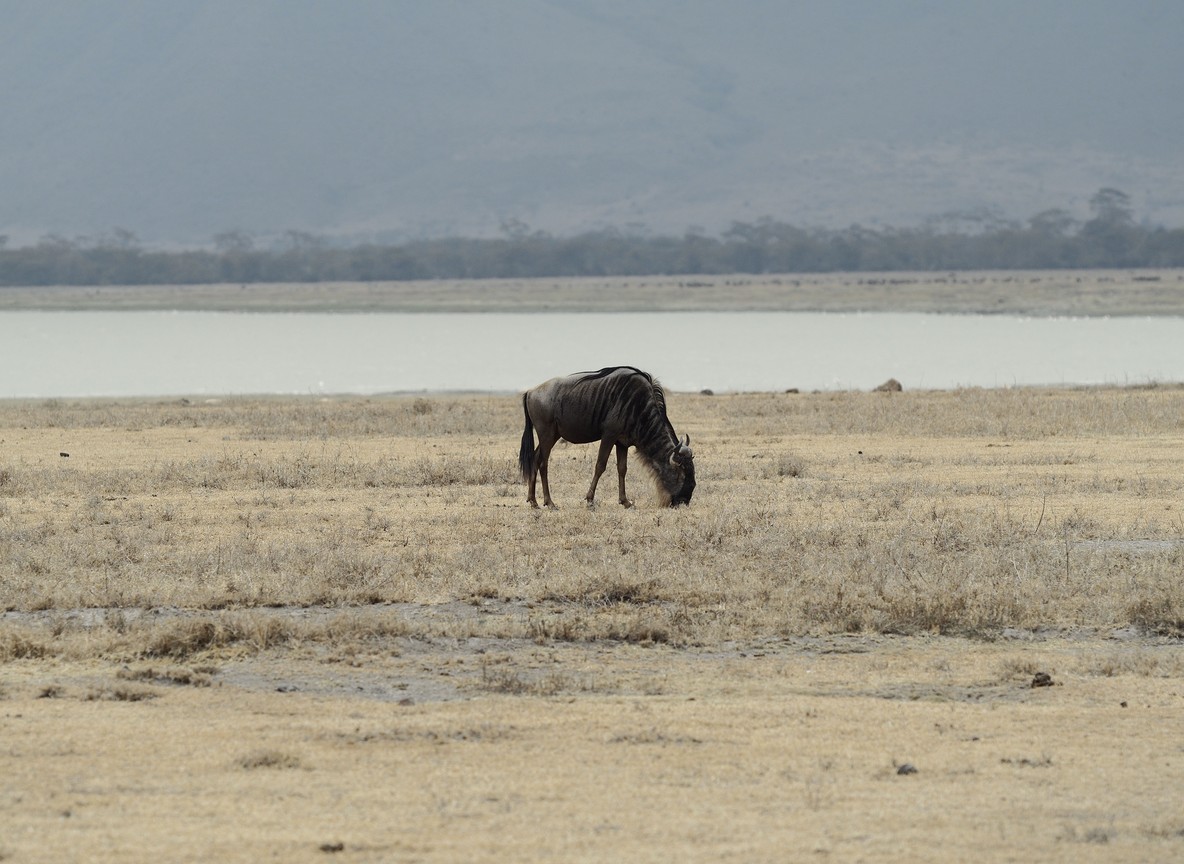
By June, rains had mostly stopped and the plains began drying down. This is when the first wildebeest scouts started appearing near the Sand River Gate on the Kenya-Tanzania border. These are small groups well ahead of the main herd. Camps in the southern conservancies and near Sand River reported early groups by mid-to-late June. That came weeks before the bulk migration typically arrives in July. These early arrivals do not cross in the dramatic river scenes tourists picture. They graze and move quietly, testing conditions before the larger herds commit. Resident zebra herds often lead wildebeest movements, and they were already well established across the reserve by June. That gave guides an early read on where the bulk of the migration would likely settle first.
Where Sightings Were Best: Mara Triangle vs Conservancies vs Main Reserve
Sighting quality varied by zone through this window, driven mostly by grass height, vehicle density, and access rules.
| Zone | Size | Grass Condition (Apr-Jun) | Vehicle Density | Best For |
|---|---|---|---|---|
| Mara Triangle (Mara Conservancy) | approx. 510 km2 | Kept shorter, better dry-season management | Low to moderate | Cheetah, open-plain sightings, migration river crossings later in the season |
| Main Reserve (Narok County side) | approx. 1,000 km2 | Taller, slower to dry after rains | Higher, especially near Talek and Sekenani gates | Lion prides, elephant herds near the Mara River |
| Private Conservancies (Mara North, Naboisho, Olare Motorogi, Ol Kinyei) | approx. 320-350 km2 each | Variable, some managed grazing | Very low, capped by conservancy agreements | Leopard, night drives, walking safaris, off-road tracking |
The conservancies capped vehicle numbers per sighting throughout the quarter. Guides consistently cited that cap as the reason for closer, calmer predator encounters compared to the main reserve’s busier junctions near Talek Gate.
Birding in the Green Season: What Filled the Gaps
Green season is bird season in the Mara, and April-June 2026 held to that pattern. Migratory species including the Eurasian roller, white stork, and several raptor species passed through en route north. They overlapped with resident specials like the lappet-faced vulture and grey crowned crane. Wetland habitat around Musiara Marsh and the Mara River’s oxbow bends held the highest concentrations. Camps running dedicated birding drives through the quarter confirmed the pattern.
Getting There: Gates, Airstrips, and Drive Times
Access details matter for planning a visit during this shoulder-season window, since some routes turn difficult in wet weather.
| Detail | Figure |
|---|---|
| Distance from Nairobi to Sekenani Gate (main reserve) | approx. 270 km, 5-6 hr drive |
| Distance from Nairobi to Oloololo Gate (Mara Triangle) | approx. 280 km, 5-6 hr drive |
| Flight time, Nairobi Wilson Airport to Mara airstrips | approx. 45 minutes |
| Named airstrips | Keekorok, Musiara, Ol Kiombo, Kichwa Tembo, Ngerende |
| Masai Mara National Reserve entry fee (indicative, non-resident adult) | approx. USD 80-100 per day, varies by season |
| Conservancy conservation fee (indicative, bundled into camp rates) | approx. USD 70-100 per person per night |
| Main reserve size | approx. 1,510 km2 total (Triangle + main reserve) |
Fees shift with Narok County and conservancy board policy. Confirm current rates with your camp or a partner operator before booking.
Explorer Notes
Guides across the ecosystem flagged one recurring theme this quarter. Black-cotton soil roads near Naboisho and the Mara Triangle’s lower sections stay impassable for a day or two after heavy April-May storms. Build flexibility into any fly-in schedule that depends on road transfers between camps. Early-morning game drives outperformed afternoon ones through May, since cats hunted before the daily rain moved in. If catching the first migration scouts is the goal, June visits near Sand River Gate or Sala’s Camp offered the earliest sightings this year. That was well before the crowds that arrive with the main herd in July. Pack a proper rain layer even in June. Afternoon showers persisted later into the month than average this year.
What to Read Next
- Planning around the main event? See our guide to Mara River crossing timing and camp placement.
- Comparing where to stay? Check our Mara Triangle vs Mara North Conservancy breakdown.
- Building a full itinerary? A 7-day Kenya safari itinerary for first-timers covers how to sequence the Mara with other parks.
FAQ
What wildlife was visible in the Masai Mara from April to June 2026? Resident lions, elephants, cheetahs, and leopards stayed active throughout. April brought strong topi and impala calving, and the first wildebeest migration scouts crossed near Sand River Gate by June.
Did the wildebeest migration arrive in the Masai Mara by June 2026? Only in small scout groups. The bulk migration typically arrives in July, and 2026 followed that pattern. Early wildebeest and established zebra herds appeared near the Kenya-Tanzania border by mid-to-late June.
Is the Masai Mara worth visiting in the April-June green season? Yes, for travelers prioritizing resident wildlife, lower vehicle density, and birding over the river-crossing spectacle. Rates typically drop in this window too, though road conditions can turn muddy after heavy rain.
Where were the best predator sightings in the Mara this quarter? Guides reported strong cheetah sightings in the Mara Triangle’s open plains. Lion activity held along the Talek River and Mara North Conservancy, and leopard sightings improved near the Olare Orok riverine forest.
How do I get to the Masai Mara from Nairobi? By road, it is approximately 270-280 km depending on the gate, a 5 to 6 hour drive. By air, scheduled flights from Nairobi’s Wilson Airport reach Mara airstrips like Keekorok and Musiara in about 45 minutes.
The next few months bring the main event. This quarter’s reports show the Mara rewards patient watching even before the herds show up. Check the Tour Packages page for itineraries timed to either the green season calm or the migration peak. Or ask a partner operator which camps had the strongest June sightings before you lock in dates.